Exports & Craftsmanship
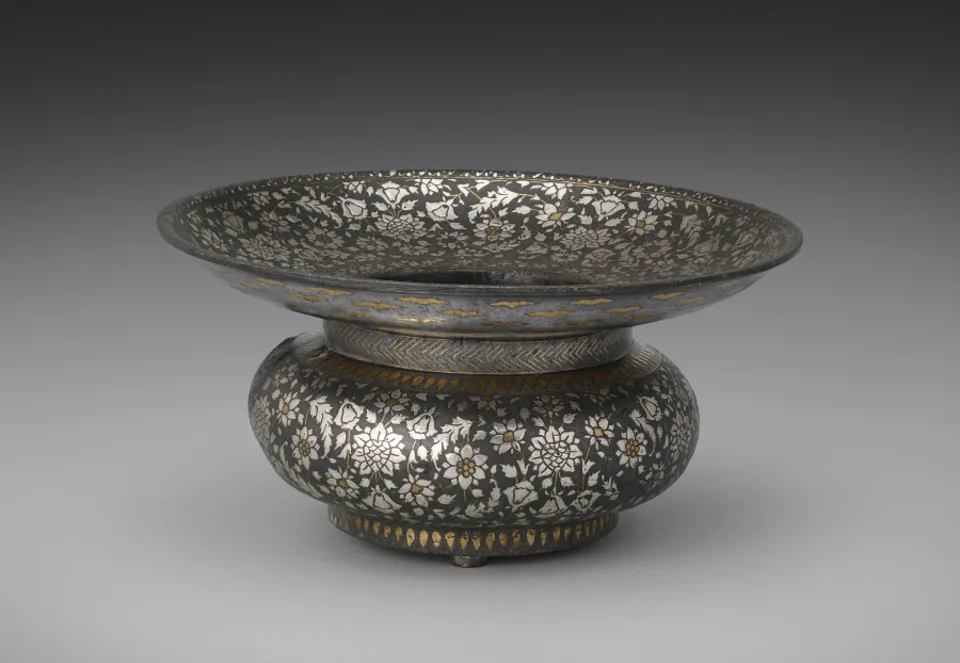
A living tradition, not a decorative idea.
India's craft traditions grew around function: vessels for water and grain, lamps for light, carved panels for architecture. Ornament arrived later, laid over forms that already worked.
That history matters when buying. A bowl that was designed to be used holds its shape better than one made only to be looked at. A carving follows the grain because the maker has worked that wood for years, not because a pattern was copied onto it.
Across the country the techniques differ by region and family: chisel work in wood, chasing and repoussé in sheet metal, casting, piercing and hand polishing. The pieces we offer are chosen for those techniques being visible in the finished object.
Indian metal crafts sit alongside wooden carving in our range, so buyers can source both materials through one conversation rather than piecing a collection together from separate suppliers.
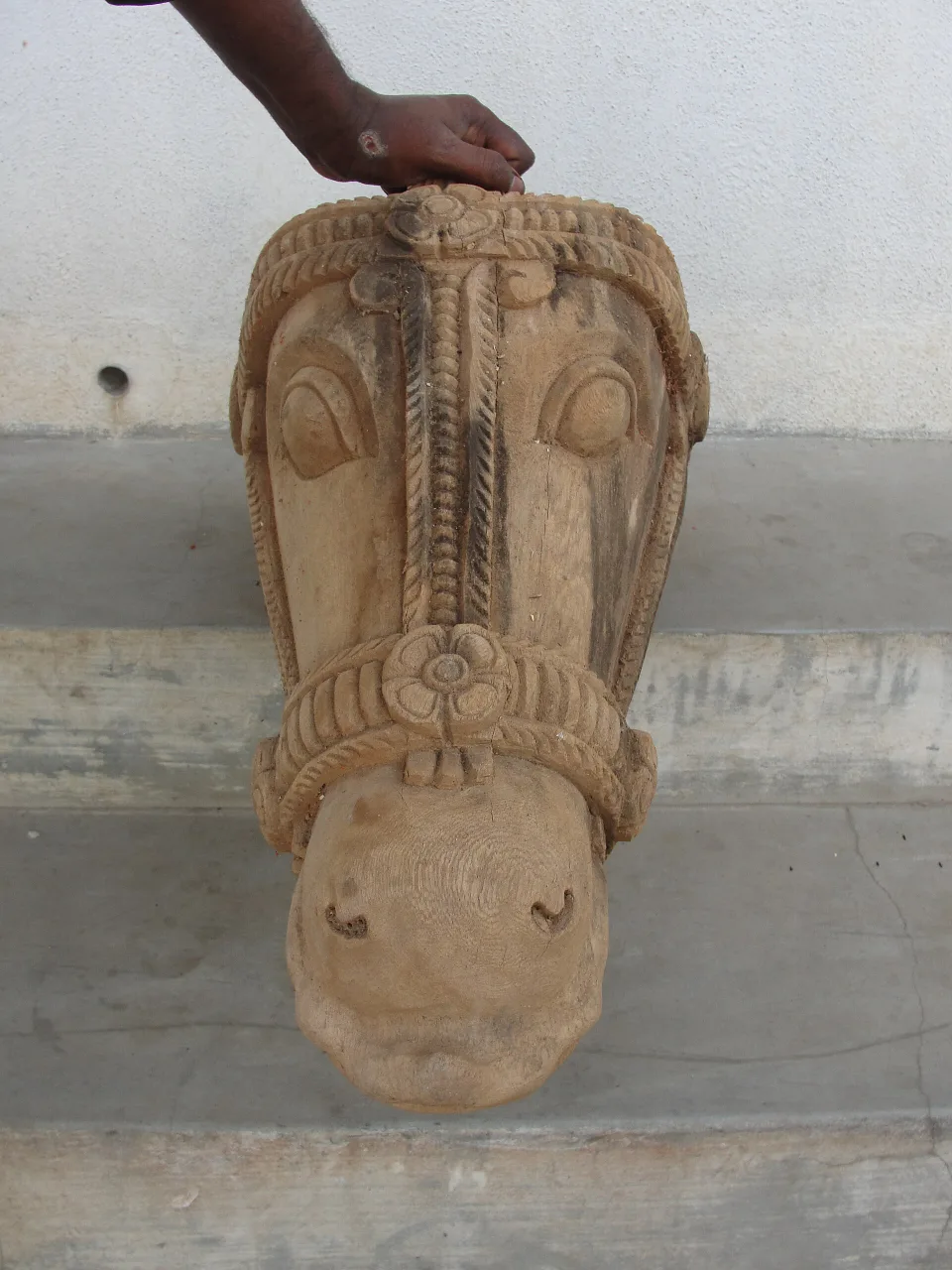
Wood: shaped by chisel, revealed by grain.
Wood work begins with the block. The carver reads the grain, sets out the mass, and removes material until the form appears — relief work on the surface, pierced jali work through it, or full carving in the round.
- Relief carving — pattern raised from a flat or curved surface.
- Jali piercing — lattice cut through solid wood for screens and panels.
- Figurative work — animals, deities and traditional motifs carved in the round.
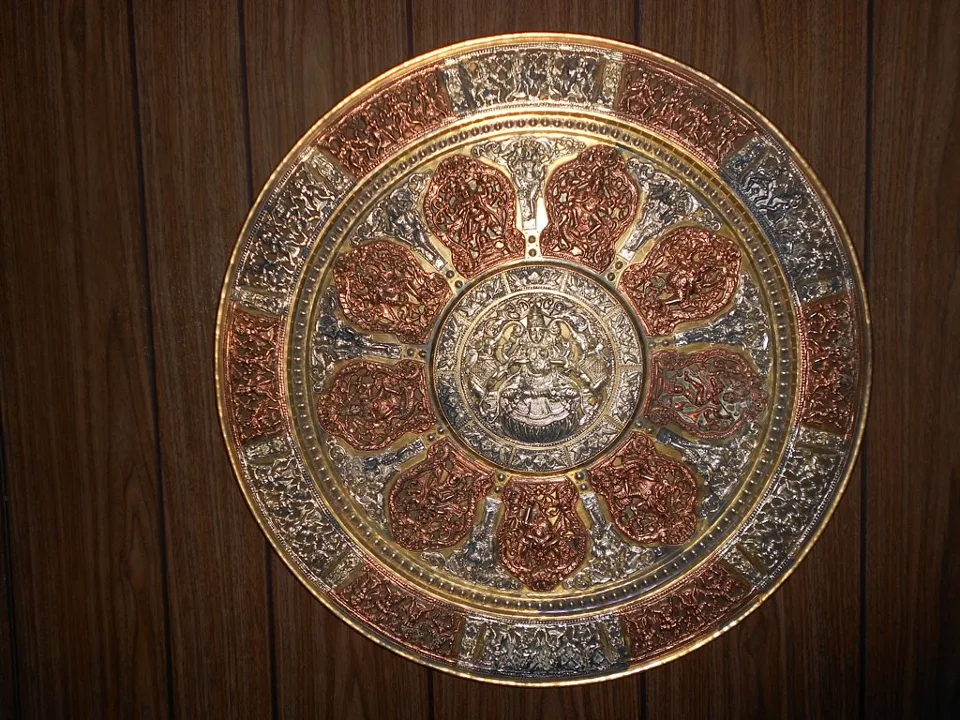
Metal: hammered into form, engraved into memory.
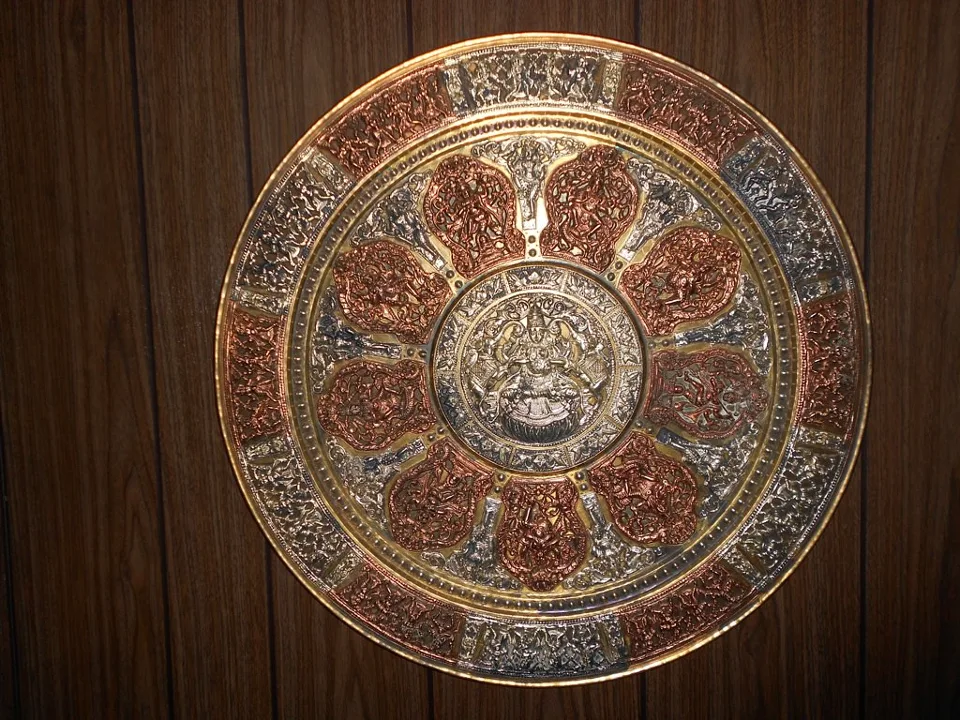
Sheet metal is raised and shaped over stakes with repeated hammer blows; the marks that remain are part of the surface. Casting produces forms that would be difficult to raise, such as figurines and heavy urns.
Decoration follows: chasing and engraving cut or compress the surface, while repoussé raises it from the reverse. Pierced work, as on lanterns, turns the metal into a screen for light. Copper and brass both develop patina over time, which is why the finish — polished, matte or aged — is specified rather than assumed.
As a brass handicrafts manufacturer and exporter, RJS Exports reviews each metal requirement before quoting. Copper handicrafts in India are made in the same workshops, so both materials can be discussed in one enquiry.
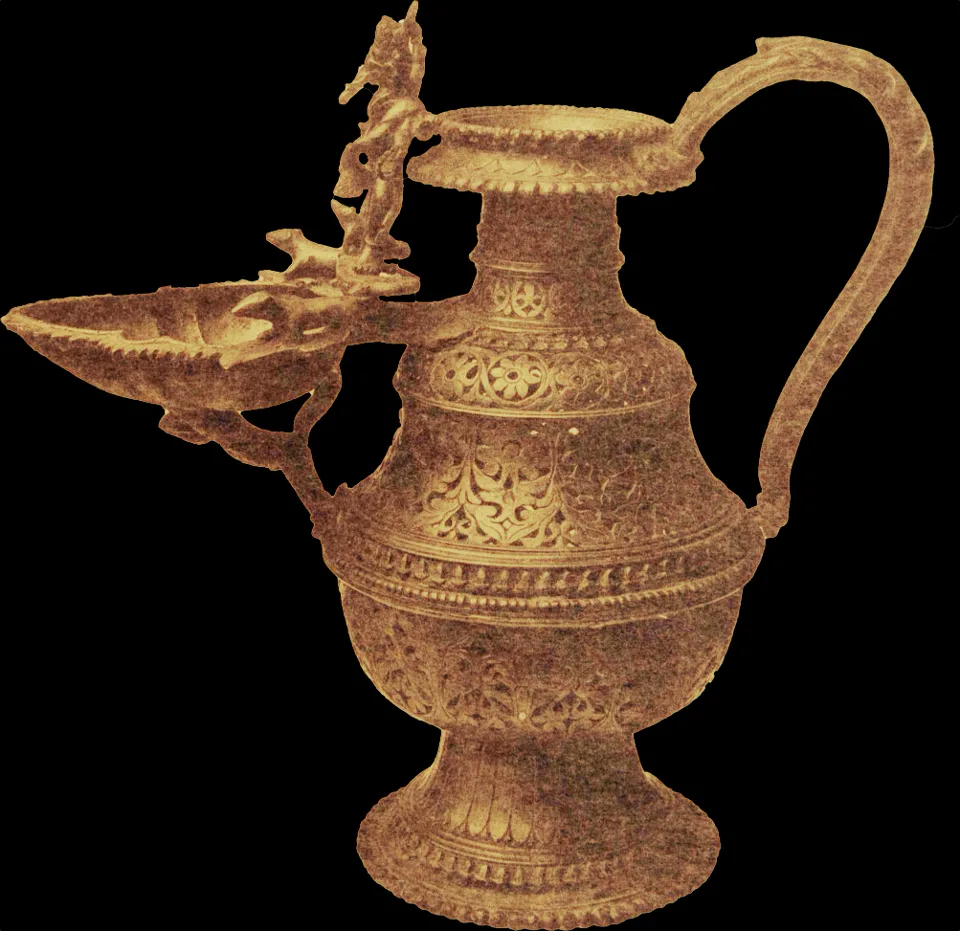
Cooler metals, finer lines.
Aluminium takes a crisp edge and a bright, neutral finish, which suits contemporary interiors and larger decorative pieces. It casts well, so figurines and trays keep clean detail.
Silver work is finer in scale and demands more from the finishing stages: repoussé panels, engraved line work, beaded rims and a high polish. Diyas, bowls and keepsake boxes in this material are presentation and ceremonial objects, judged on the precision of their ornament.
Have a specific piece in mind?
Buyers often arrive with a reference: a drawing, a photograph, a size, a finish, or a gap in their own range. Share the brief with us and we will review it and respond directly on what is possible, in what quantity and over what timeline.
We do not publish fixed custom capabilities, because the honest answer depends on the material, the technique and the quantity involved. Each requirement is confirmed in writing before work begins.
From first message to dispatch
Four steps, each confirmed before the next one starts.
Enquiry
Send your requirement — material, item, quantity, destination and any reference images.
Requirement review
We review the brief and come back with the details that need clarifying or confirming.
Confirmation
Specification, finish, quantity and timeline are agreed in writing before production is scheduled.
Documentation & dispatch
Export paperwork and shipping arrangements are handled with the buyer and their nominated agents.